
Stop guessing. Use our expert-led diagnostics and recommended tools to save thousands on mechanic fees.
Whether your car shows warning lights, loses power, or behaves unexpectedly, our beginner-friendly guides help you identify symptoms and make informed decisions before visiting a mechanic.
Start exploring below.
Top 3 Tools for Every Car Owner
The Budget Pick
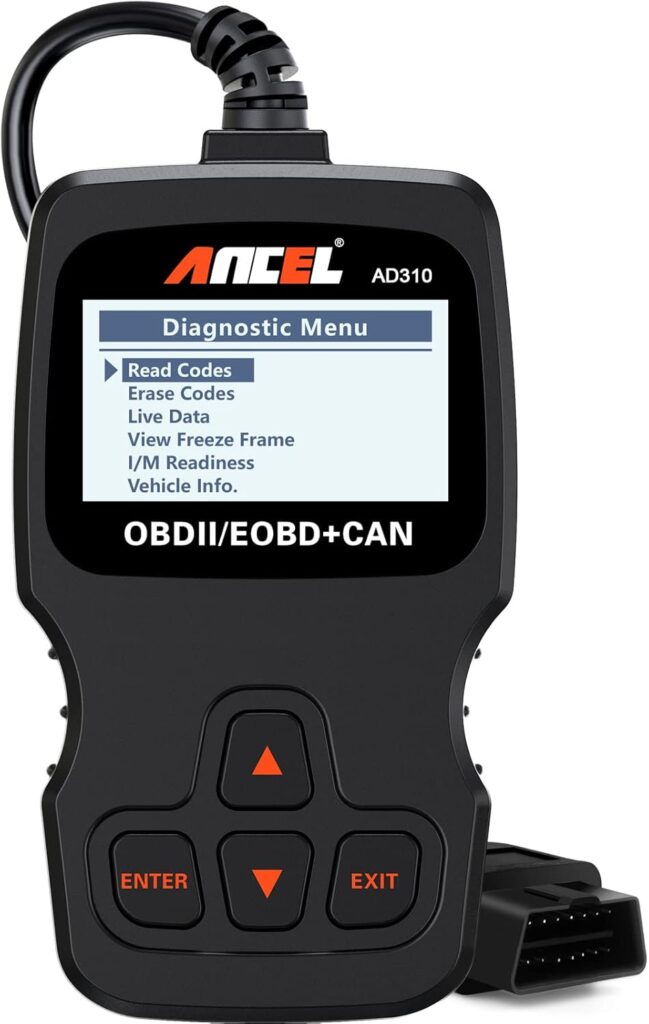
Target: The beginner who just wants to turn off the light without spending much.
Live Data Stream: View real-time engine sensor data to catch intermittent issues before they become expensive.
Fast & Simple: Plug and play design—no batteries or apps required; it draws power directly from your car.
Built-in DTC Lookup: Includes a massive library of code definitions so you don’t have to search Google for every error.
Universal Compatibility: Works on almost all 1996 and newer US-based vehicles (and 2000+ EU/Asian models).
★ The Best Overall ★
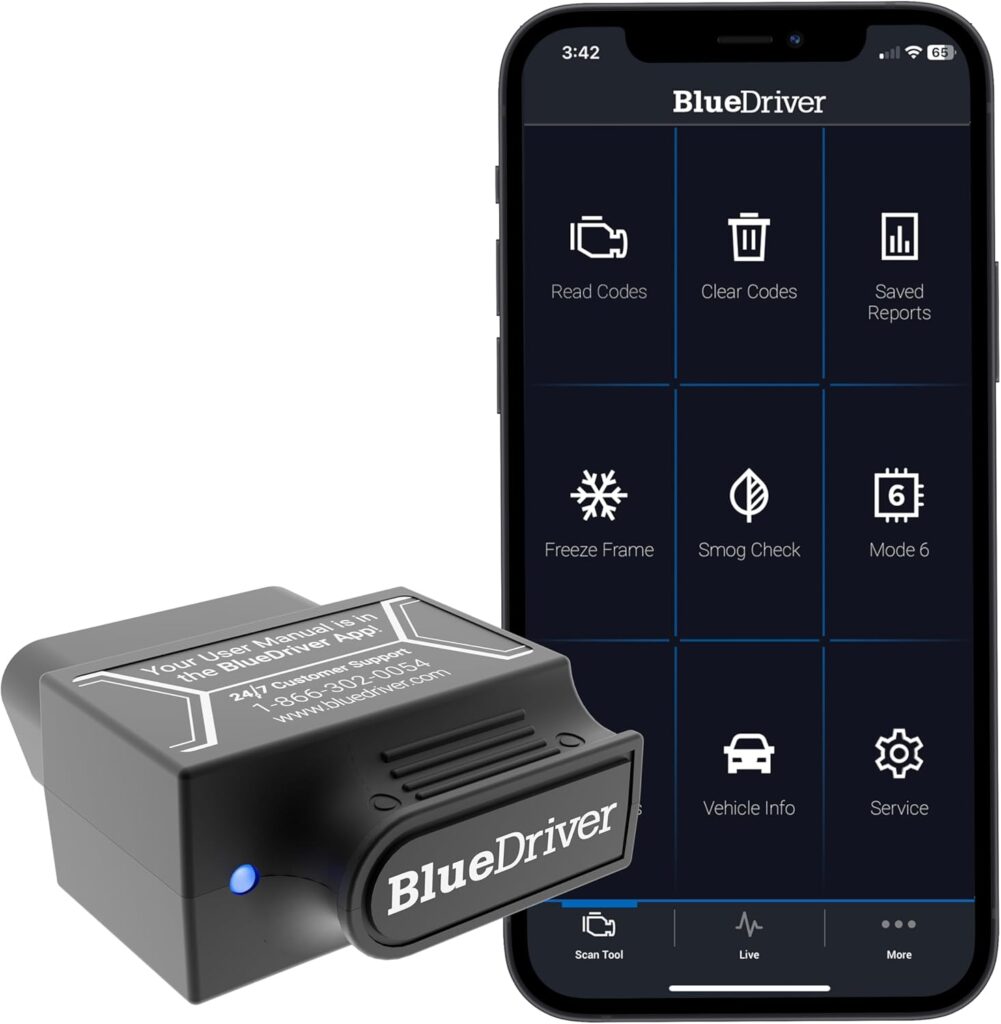
Target: The tech-savvy DIYer who wants professional-grade data on their phone.
Full System Scans: Reads and clears not just Engine codes, but also ABS, Airbags, and Transmission (features usually reserved for $500 tools).
Verified Fixes: Access the “RepairReports” database which provides specific, mechanic-verified fixes for your exact vehicle.
Wireless Convenience: No bulky cables—plugs into your port and syncs instantly with the free BlueDriver app (iOS/Android).
Zero Subscription Fees: Buy the sensor once and get all pro features and updates for life with no hidden costs.
The Professional Choice
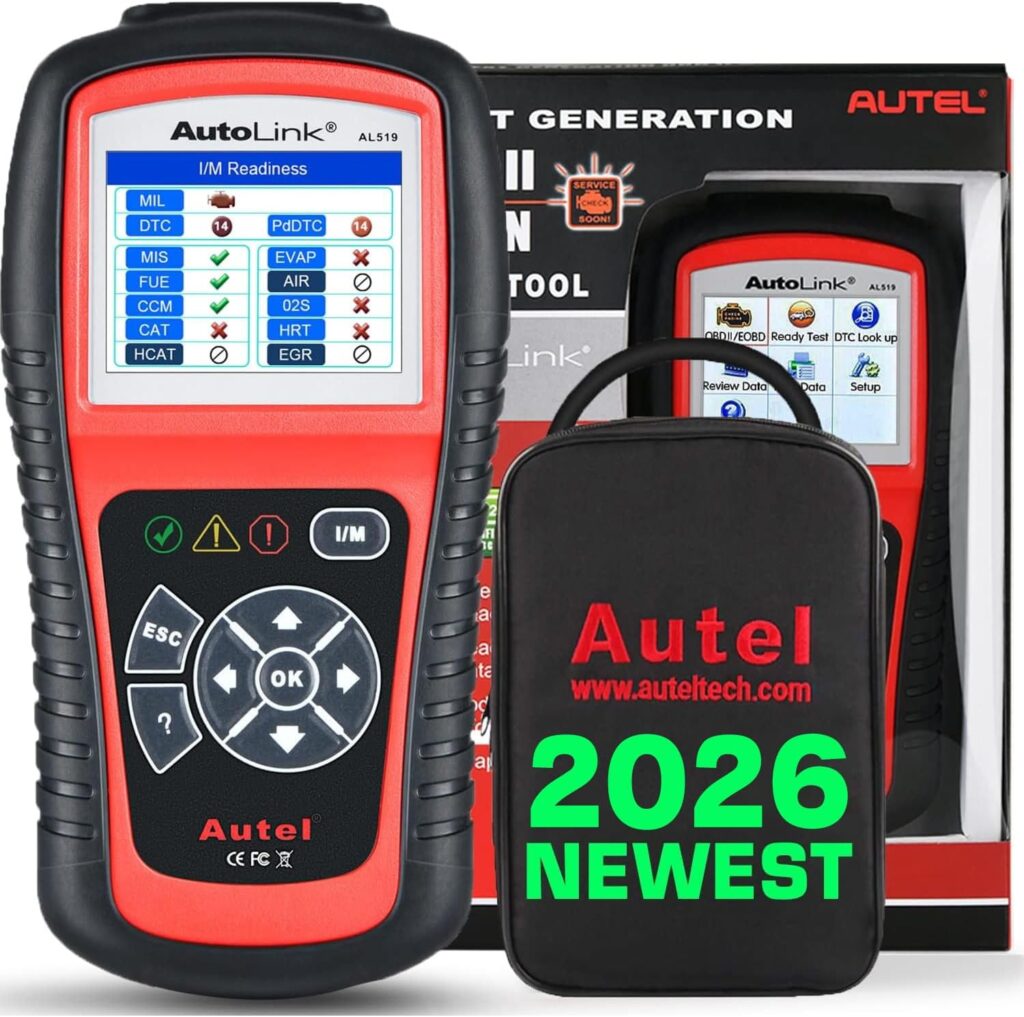
Target: The serious home mechanic or the used car buyer who needs deep diagnostic data.
Complete OBDII Diagnostics: Supports all 10 diagnostic modes, including Mode 6, to help you pinpoint misfires and fuel system issues that cheaper scanners miss.
Patented One-Click Readiness: Instantly verify if your car will pass a State Emissions (Smog) test with a single dedicated button and color-coded LED indicators.
Real-Time Data Graphing: View live sensor data in easy-to-read text or color graphs to track down intermittent faults while the engine is running.
DTC Lookup & Code Breaker: Includes a built-in library with “Troubleshooter” tips that guide you to the root cause of a code faster, saving hours of online research.
Lifetime Free Updates: Includes a USB cable for lifetime internet updates and the ability to print diagnostic reports via your PC to share with your mechanic.
Troubleshoot by Symptom
Latest Fixes from the Lab

Engine Codes & Check Engine Light
Decode your P-codes and find the exact part causing your misfire or sensor fault.
No-Start & Battery Issues
Troubleshoot battery drains, starter motor failures, and alternator issues with our DIY electrical guides.

Squeaks, Clunks & Shakes
Stop ignoring that mystery sound. Identify clunking suspension, squealing brakes, and highway vibrations before they lead to a breakdown.

Top-Rated Diagnostic Gear
Don’t waste money on tools that don’t work. We’ve tested the best OBD2 scanners and DIY tools so you can invest in gear that actually solves problems.
-
Diagnosing a Bad Wheel Bearing: The ‘Hum’ and ‘Shake’ 2 steps Test
You are driving down the highway, and a low, persistent growl begins to fill the cabin, mimicking the acoustic drone of a propeller airplane. It isn’t an engine issue, and it doesn’t vanish when you change lanes. What you are hearing is the sound of hardened steel balls or rollers tearing themselves apart inside a…
-
Why Your Car Shudders During Acceleration (Transmission vs. Axle Issues)
Introduction: The “Acceleration Stutter” You’re merging onto the highway, you press the gas pedal to gain speed, and suddenly the entire cabin begins to vibrate. As soon as you lift your foot off the accelerator, the sensation vanishes. This specific “shuddering” or “stuttering” only when the gas pedal is pressed is a classic symptom of…
-
Car Shakes When Braking: Symptoms of Warped Rotors (and How to Fix)
Introduction: The “Death Wobble” of Deceleration Few things are more unnerving than a steering wheel that begins to dance in your hands the moment you apply the brakes. This sensation, often described as a rhythmic vibration, shudder, or oscillation, typically stays hidden at highway speeds until you begin to slow down for an exit ramp…
-
Tire Tread Diary: Reading the “Footprints” of Your Suspension
The “Tire Tread Diary”: What Your Footprints Say As a chassis engineer, I view tires as more than just rubber; they are a diagnostic diary. Every mile you drive, the road “records” the health of your car onto the tread. If your suspension is soft, the road carves a specific pattern. If your alignment is…
-
Steering Wheel Shakes at High Speeds: Is It Balancing or Alignment? (2026 Guide)
The 2-Second Summary: If your steering wheel shakes at specific highway speeds (55–75 mph), your tires are almost certainly out of balance. If your car drifts to one side or the steering wheel is crooked while driving straight, you have an alignment issue. The “Sensation” Diagnostic: How to Feel the Difference As a chassis engineer, I often…
-
Can Bad Spark Plugs Cause a P0300 Random Misfire Code? (Diagnosis & Fix)
The Direct Answer: Why Your Dashboard is Panicking If you’ve just scanned your car and seen a P0300 code, the short answer is yes—bad spark plugs are the most likely culprit. The P0300 code stands for “Random or Multiple Cylinder Misfire Detected.” Unlike codes P0301 through P0308, which point a finger at a specific cylinder, P0300 means the engine computer (ECU)…